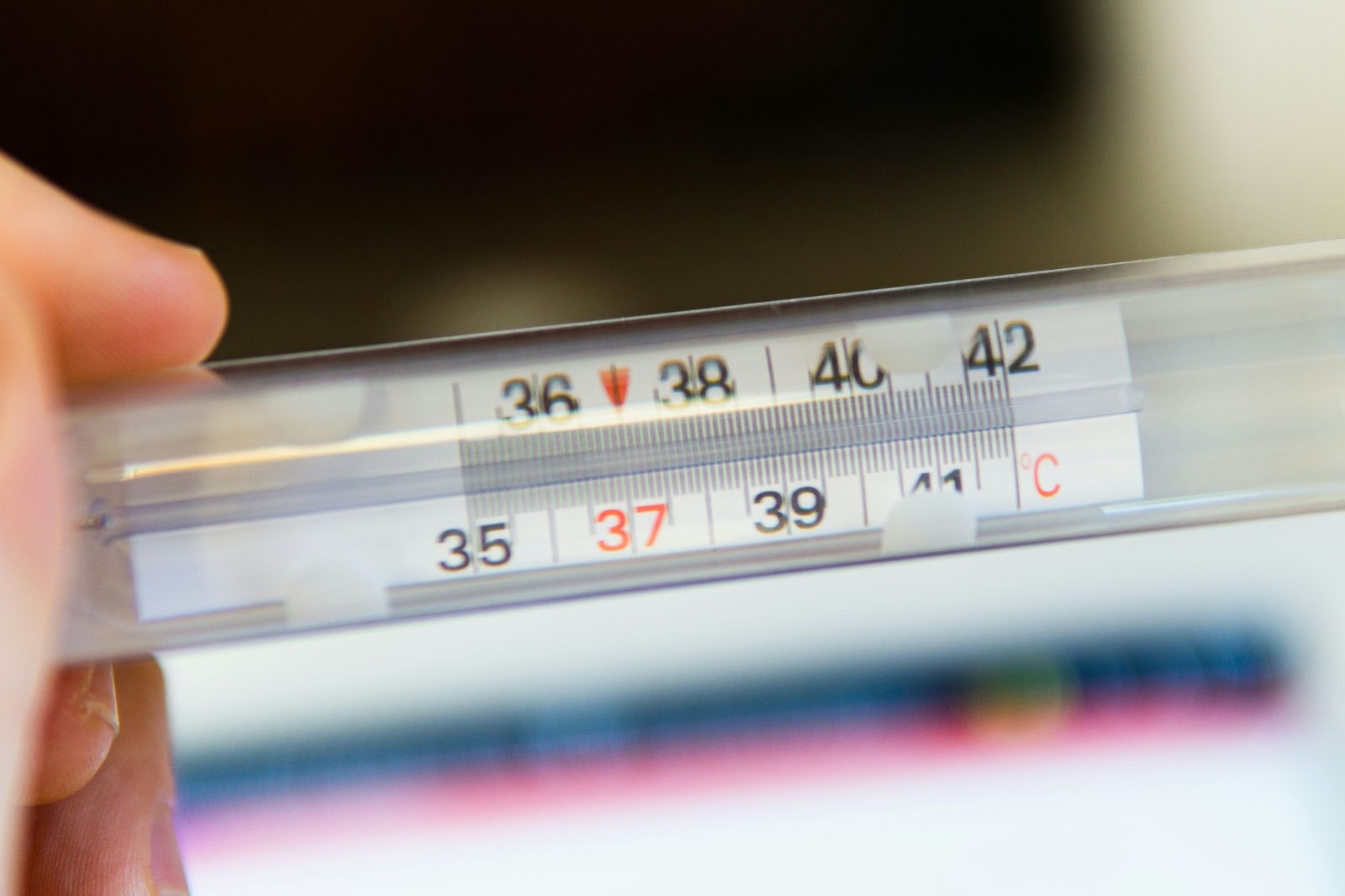
/global-warming--conceptual-image-168835034-5a25a9937bb283001930aaea.jpg "Unveiling the Adverse Effects of Global Warming: A Comprehensive Examination")
Introduction
Global warming, driven primarily by human activities such as the burning of fossil fuels and deforestation, has emerged as one of the most pressing challenges facing humanity in the 21st century. The consequences of rising temperatures and changing climate patterns are far-reaching and multifaceted, affecting ecosystems, economies, and human health on a global scale. In this comprehensive examination, we delve into the adverse effects of global warming, exploring its impacts on the environment, society, and future generations.
1. Rising Temperatures and Climate Change
At the heart of global warming is the phenomenon of slot88 climate change, characterized by long-term shifts in temperature, precipitation patterns, and weather events. Key aspects of climate change include:
Temperature Increase: Global temperatures have risen steadily over the past century, with the Earth’s average surface temperature increasing by approximately 1.2 degrees Celsius (2.2 degrees Fahrenheit) since the late 19th century. This trend is expected to continue in the coming decades, leading to more frequent and intense heatwaves.
Melting Ice Caps and Glaciers: Rising temperatures have accelerated the melting of polar ice caps and glaciers, contributing to sea-level rise and threatening coastal communities and ecosystems. The loss of ice also disrupts ecosystems and habitats for polar bears, penguins, and other ice-dependent species.
Extreme Weather Events: Climate change has been linked to an increase in the frequency and intensity of extreme weather events, including hurricanes, droughts, floods, and wildfires. These events can cause widespread destruction, displacement, and loss of life, posing significant challenges for emergency response and disaster management efforts.
2. Impact on Ecosystems and Biodiversity
Global warming poses a significant threat to ecosystems and biodiversity, disrupting natural habitats and endangering plant and animal species worldwide. Key impacts include:
Loss of Biodiversity: Rising temperatures and changing climate conditions can disrupt ecosystems and push species beyond their tolerance limits, leading to declines in population sizes and biodiversity loss. Coral reefs, tropical rainforests, and Arctic ecosystems are particularly vulnerable to the effects of global warming.
Shifts in Species Distribution: Many plant and animal species are already responding to climate change by shifting their ranges poleward or to higher elevations in search of suitable habitats. These shifts can alter the composition and structure of ecosystems, leading to changes in species interactions and mahjong ways 2 community dynamics.
Increased Risk of Extinction: Climate change exacerbates existing threats to vulnerable species, such as habitat destruction, pollution, and overexploitation, increasing the risk of extinction for plants and animals that are unable to adapt or migrate to new habitats.
3. Socioeconomic Impacts
The adverse effects of global warming extend beyond the natural world, impacting human societies and economies in profound ways. Key socioeconomic impacts include:
Food Insecurity: Climate change affects agricultural productivity and food security through changes in temperature, precipitation, and the frequency of extreme weather events. Droughts, floods, and heatwaves can damage crops, reduce yields, and disrupt food supply chains, leading to food shortages and price volatility.
Water Scarcity: Changes in precipitation patterns and melting ice contribute to water scarcity in many regions, exacerbating competition for limited water resources and threatening access to clean drinking water for millions of people. Water scarcity can also impact agriculture, industry, and energy production, further exacerbating socioeconomic inequalities.
Health Risks: Global warming poses significant health risks through its impacts on air quality, water quality, and the spread of infectious diseases. Heat-related illnesses, respiratory problems, and vector-borne diseases such as malaria and dengue fever are expected to increase as temperatures rise and weather patterns become more erratic.
4. Displacement and Migration
As the impacts of global warming intensify, vulnerable communities are increasingly forced to confront the reality of displacement and migration due to environmental changes. Key considerations include:
Climate Refugees: Rising sea levels, extreme weather events, and desertification can render homes and livelihoods uninhabitable, forcing millions of people to flee their homes in search of safety and security. The term “climate refugees” is used to describe individuals who are displaced due to environmental factors beyond their control.
Migration Patterns: Climate change can influence migration patterns at local, regional, and global scales, as people seek refuge from environmental hazards and seek opportunities for economic survival. Migration can strain resources and infrastructure in receiving communities, leading to social tensions and conflicts over land, water, and resources.
Policy Responses: Governments and international organizations are increasingly recognizing the need to address climate-induced displacement and migration through coordinated policy responses, including disaster preparedness, climate adaptation measures, and support for vulnerable populations.
5. Mitigation and Adaptation Strategies
To address the adverse effects of global warming and limit its impacts, a combination of mitigation and adaptation strategies is needed. Key approaches include:
Mitigation: Mitigation strategies aim to reduce greenhouse gas emissions and limit the extent of global warming through policies and spaceman actions such as transitioning to renewable energy sources, improving energy efficiency, and implementing carbon pricing mechanisms. International agreements such as the Paris Agreement provide a framework for global cooperation on climate mitigation efforts.
Adaptation: Adaptation strategies focus on building resilience and adaptive capacity to cope with the impacts of climate change, such as investing in climate-resilient infrastructure, implementing water management strategies, and promoting sustainable agriculture practices. Local communities, governments, and businesses all play a role in implementing adaptation measures tailored to their specific needs and circumstances.

Conclusion
The adverse effects of global warming are profound and far-reaching, impacting ecosystems, societies, and economies around the world. From rising temperatures and extreme weather events to biodiversity loss and displacement, the consequences of climate change are felt on multiple fronts, posing significant challenges for humanity in the 21st century. Addressing the root causes of global warming and implementing effective mitigation and adaptation strategies are essential steps in safeguarding the planet and ensuring a sustainable future for generations to come. By working together to reduce greenhouse gas emissions, protect vulnerable communities, and build resilience to climate impacts, we can mitigate the worst effects of global warming and create a more equitable and resilient world for all.