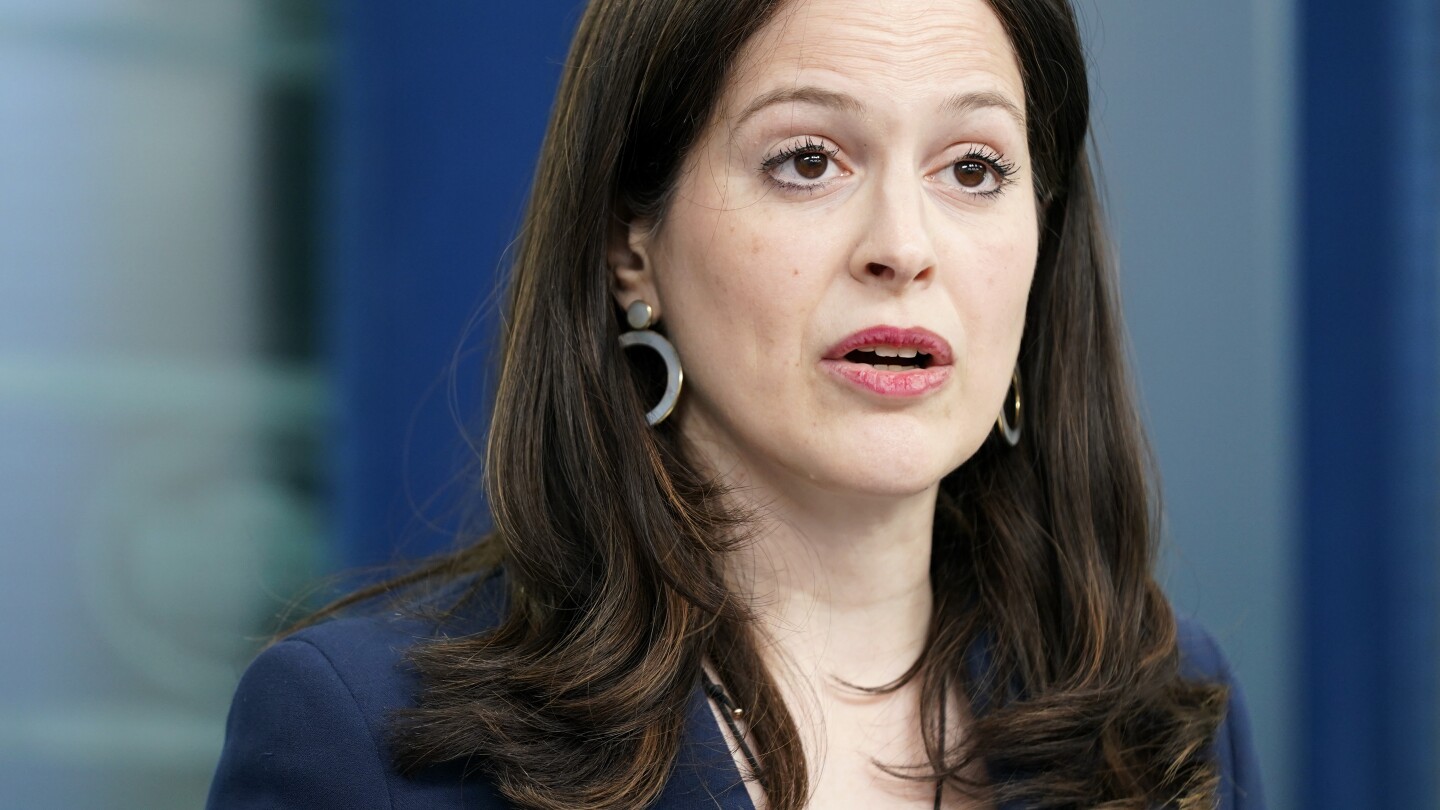
Evans, Ph.D., is an associate professor of sociology at San Diego Mesa College, faculty vice president for AFT Local Guild 1931 and a court-appointed special advocate for foster youth with Voices for Children. She lives in Santee.
Whether or not online learning is an effective tool for increasing accessibility is an increasingly fraught topic for those of us working in community college districts. As a professor of sociology at San Diego Mesa College, I’m not just referring to making college and university courses more accessible to people with neurodivergence and physical disabilities. People experiencing forms of structural violence, like institutionalized racism, sexism, heteronormativity, gender bias and classism also face obstacles to accessing higher education. These obstacles cause the inequities in education that community college administrators, faculty and staff are trying to address.
What do we mean when we say that online courses are more “accessible”? For students with physical disabilities, we are saying that it is easier for them to learn online rather than deal with inadequacies in transportation, physical buildings and other social spaces. For students with medical disabilities, it is easier to have flexible, self-paced classes when you are forced to take a full load of courses to keep your financial aid and, more importantly, your health insurance. For students with neurodivergence, it’s easier to stay in the digital shadow rather than deal with the myriad repercussions of ignorance and social stigma. For students who can’t afford a car or the super high price of gas or for people concerned with overconsumption of fossil fuels, we are saying that online learning is better than spending upwards of four hours on a bus. (That’s how long the trips to-and-from Mesa College took from North Park last time I tried it.) Or, for students who are caregivers for kids, parents and other loved ones, the only option they have for taking courses at all is online because these necessary forms of care work are entirely unpaid. These are the most common reasons my faculty colleagues use to justify the escalating increase in our online classes. Before COVID, not even 5 percent of Mesa College’s sociology courses were offered online. Now, my colleagues and I have to fight tooth-and-nail every semester to keep only about 50 percent of our sociology program’s courses face-to-face.
Sociology faculty at Mesa College are fighting this hard because students who opt for online courses are sacrificing the creative deep thinking and relationship-building that can only happen with spontaneous, face-to-face social interaction. More importantly, we are encouraging them to make that sacrifice by providing more courses online while also allowing our institutions to remain structurally inaccessible for face-to-face learning. With the option of online, what motivates policy-makers to make our in-person classes more accessible? Nothing does.
Education requires creative problem solving and spaces for spontaneous and often nonverbal communication. It requires spaces where spontaneous remarks, facial expressions, delicately stuttered sentences, and other unique, informal and often unintentional types of communication end up sparking important ideas and extinguishing bad ideas. In a recent study on nursing students, researchers found that the benefits of online learning depended on the course content, and that “motivation to learn, teamwork and quality of discussion may be compromised due to the lack of socialization and interactions between students and tutors.” Face-to-face classrooms are where these seemingly unproductive physical, in-person, interactions blossom organically and substantively.
Accessibility means addressing the structural arrangements that perpetuate inequitable access to higher education and access to the “hidden curriculum.” It means addressing the economic and political structures that prevent many of our students from ever experiencing idyllic four-year residential colleges and universities. The imperative to maintain high enrollment is derived from the structural pressure to make education a commodity, instead of a human right. And that same structural pressure makes online learning more convenient and therefore more “accessible.” (This is leaving out the issue of disparities in access to technology.) If we blindly embrace the moving train of online learning, we risk blindly reinforcing the very structures we are trying to dismantle.
At best, online learning is a tool, but not a silver bullet for accessibility. At worst, it is a market-driven project that fetishizes “flexible learning.” Online learning could actually be a bullet in the foot of equity if it’s not used with careful self-reflexivity, moderation and the highest standards of academic integrity.
Social arrangements that separate us into bosses and workers and that require hyper-efficiency and hyper-production for the sake of making profit are the same arrangements that make higher education less accessible to people from under-served and marginalized communities. Dependency on software corporations like Canvas, and a “butts in every seat” approach to enrollment, reinforce interconnected forms of inequity. If we’re not careful and thoughtful about our use of online learning, we are going to continue down the path of ever-evolving inequities that we should be trying to subvert.